

Ev Charge Cost in China: A Comprehensive Guide from Manufacturers
When considering the costs of EV charging, it's essential to find a reliable manufacturer that suits your needs. As a B2B purchaser, I understand the importance of balancing quality with operational costs. In China, we offer a range of EV charging solutions designed to fit different business models. Our products not just focus on low EV charge cost but also ensure durability and efficiency. I know how crucial it is to minimize expenses while providing top-notch services to your customers. That's why we've invested in advanced technology, which helps in reducing charging times and operational costs. Whether you are working in logistics or public transportation, our manufacturing capabilities allow us to customize solutions tailored to your requirements. Together, we can drive the EV market forward while keeping overheads manageable. Reach out to explore the best options that align with your budget and business goals.


Ev Charge Cost Industry Leaders For the Current Year
As we move further into the era of sustainable energy, the EV charging infrastructure has become a focal point for industries worldwide. The costs associated with developing and deploying electric vehicle (EV) charging stations are a critical concern for businesses and governments alike. Industry leaders are continuously assessing these costs against the backdrop of increasing demand for electric vehicles and the corresponding need for reliable charging options. By understanding the cost dynamics of the EV charge industry, global buyers can make informed decisions when considering investments or partnerships in this rapidly evolving sector. Factors influencing EV charge costs include materials, technology, installation, and maintenance. The rise in demand for advanced charging solutions has seen companies turn to innovative materials that enhance performance and longevity. The cost implications of these materials are crucial for procurement managers looking to balance quality with budget constraints. Additionally, understanding the geographical variations in installation costs can help businesses optimize their strategies and capitalize on emerging trends within their specific markets. Moreover, as governmental policies continue to support the transition to electric vehicles through incentives and subsidies, the overall landscape of EV charge costs is likely to shift. Progressive industry leaders are not only adapting to these changes but are also actively working to reduce costs via technological advancements and strategic partnerships. For global buyers, keeping abreast of these developments can provide a competitive edge in securing the best solutions for their charging infrastructure needs, ultimately supporting a more sustainable future in transportation.
Ev Charge Cost Industry Leaders For the Current Year
| Charging Station Type | Average Charging Time (hrs) | Cost per kWh (USD) | Average Cost per Charge (USD) | Annual Usage (Charges) | Annual Cost (USD) |
|---|---|---|---|---|---|
| Level 1 | 8 | 0.15 | 1.20 | 200 | 240.00 |
| Level 2 | 4 | 0.20 | 0.80 | 300 | 240.00 |
| DC Fast Charge | 1 | 0.30 | 1.50 | 150 | 225.00 |
| Home Charger | 6 | 0.18 | 1.08 | 250 | 270.00 |
Related Products
JiuJiang BeiHai Brand National Standard Wall-Mounted Household 7kw 220V AC Electric Car Charger ICE2 Type2 EV Charging Station
Read More


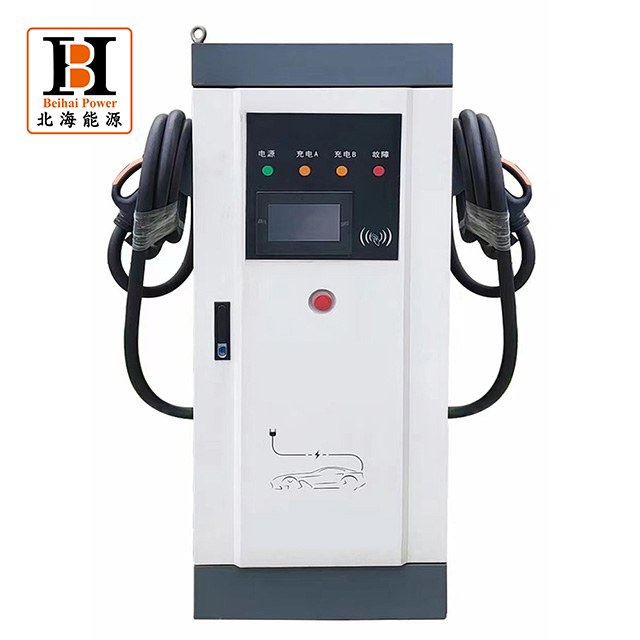


Ev Charge Cost Guarantees Peak Performance Custom Solutions,
Top Selling Products


- Related Blog
- Reviews

-

Phone
-

E-mail
-

Whatsapp
-

Top