
As electric vehicles become increasingly common in logistics, transportation, and commercial operations, choosing the right DC EV charger is essential for efficient fleet management. Fleet operators need charging solutions that reduce vehicle downtime, meet daily energy demand, and support future business expansion.
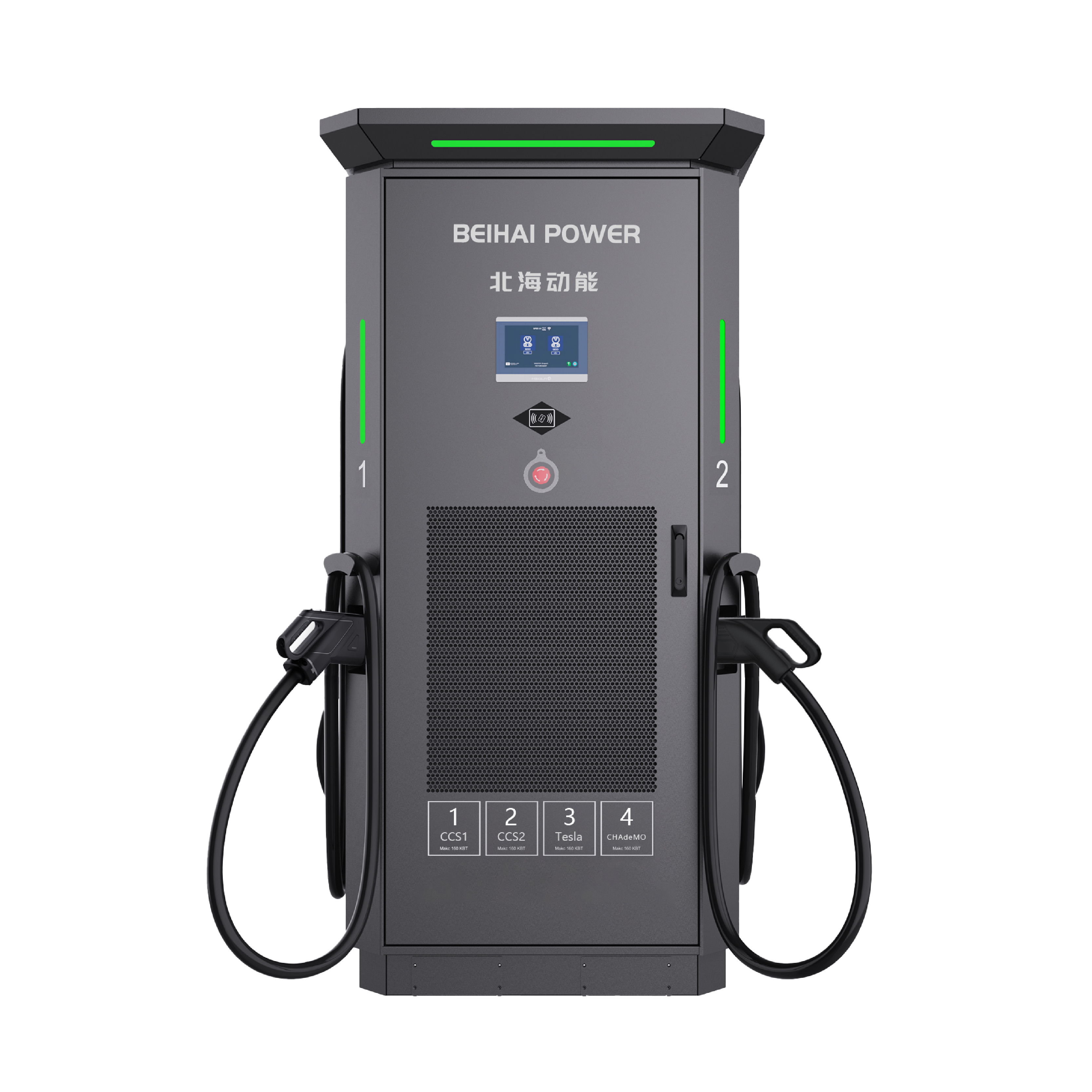
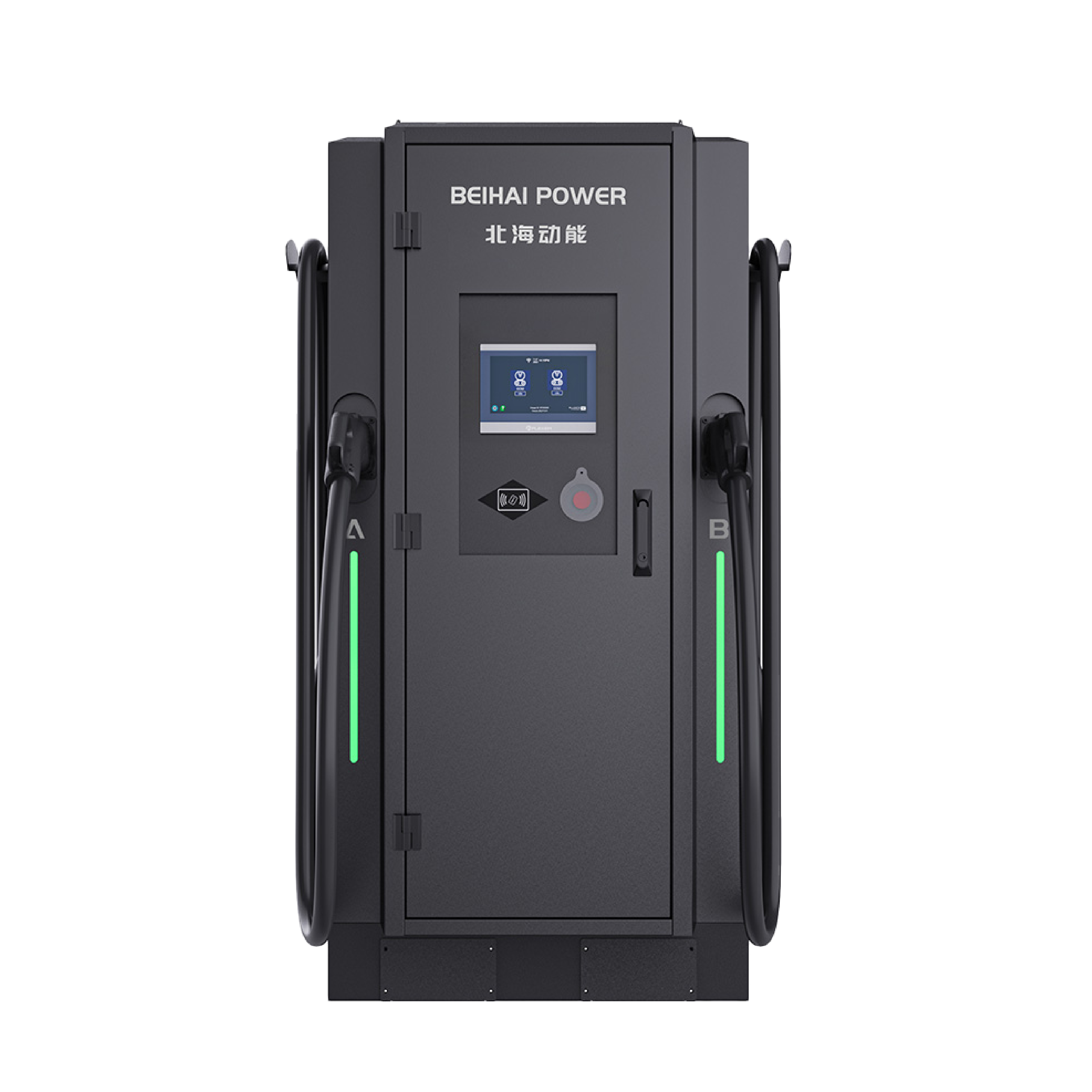
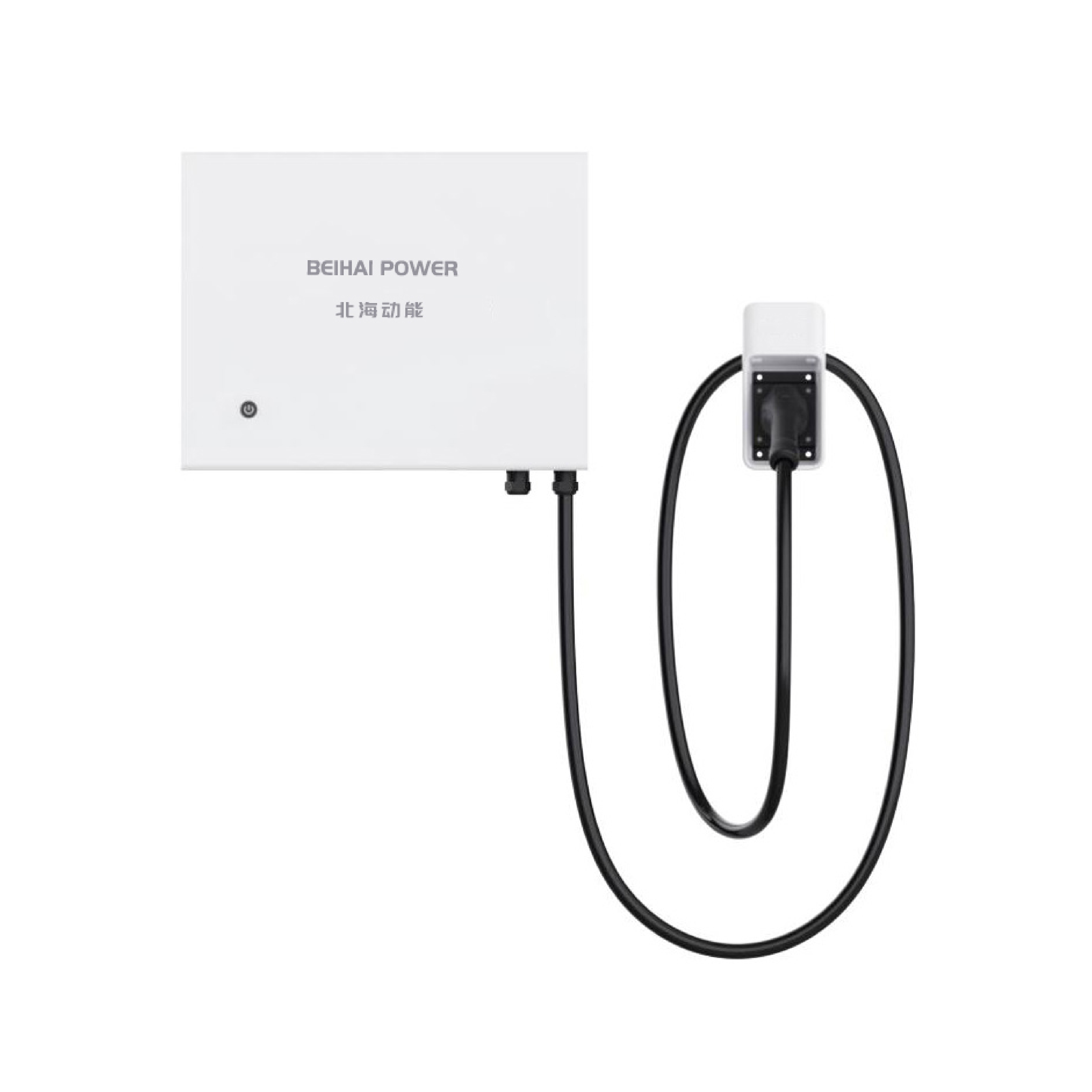
BEIHAI POWER provides EV charging solutions for different commercial applications, including compact Split DC Charging Station, Multiple Connector EV Charger, Commercial EV Charging Station, Wall-Mounted DC Fast Charger, high-power DC fast chargers, and liquid-cooled charging systems. Understanding the following factors can help businesses select the right charging infrastructure for their projects.

1 Determine the Required Charging Power
The appropriate DC EV charger power depends on vehicle battery capacity, daily mileage, charging time, and the vehicle’s maximum DC charging capability.
Different charging power levels serve different needs:
- ● 20–40 kW Wall-Mounted DC Fast Chargers: Suitable for smaller fleets and vehicles with longer parking periods.
- ● 60–120 kW Commercial EV Charging Stations: Suitable for many commercial fleets requiring a balance between charging speed and infrastructure investment.
- ● 150–240 kW DC electric car chargers: Worth considering for high-utilization fleets with shorter turnaround times.
- ● 300 kW and above: Designed for suitable high-power applications where vehicles and site infrastructure support faster charging.
2 Consider Your Fleet’s Operating Schedule
A fleet depot that charges vehicles overnight has different requirements from a taxi station or delivery hub operating throughout the day.
For overnight charging, moderate-power DC chargers may provide sufficient energy within the available parking window. For vehicles that need to return to service quickly, higher-power charging may be more appropriate.
Before selecting equipment, evaluate the number of vehicles charging simultaneously, daily energy demand, parking duration, and peak operating periods.
3 Plan for Future Expansion
A well-designed fleet charging system should support current operations while allowing room for future growth.
- ▶ Electrical capacity: Confirm whether the existing grid connection can support additional chargers.
- ▶ Charging management: Evaluate whether dynamic power allocation and remote monitoring are required.
- ▶ Installation layout: Plan parking spaces, cable reach, equipment access, and vehicle movement.
- ▶ Future compatibility: Check connector standards, communication protocols, and expected vehicle requirements.
4 When Should You Consider Liquid-Cooled DC Chargers?
Liquid-cooled DC charging systems are worth evaluating for high-power applications where thermal management and charging throughput are important.
They may suit busy fleet hubs and other demanding charging environments, provided the vehicles support the required charging power and current.
5 Why Choose BEIHAI POWER for Fleet Charging Solutions?
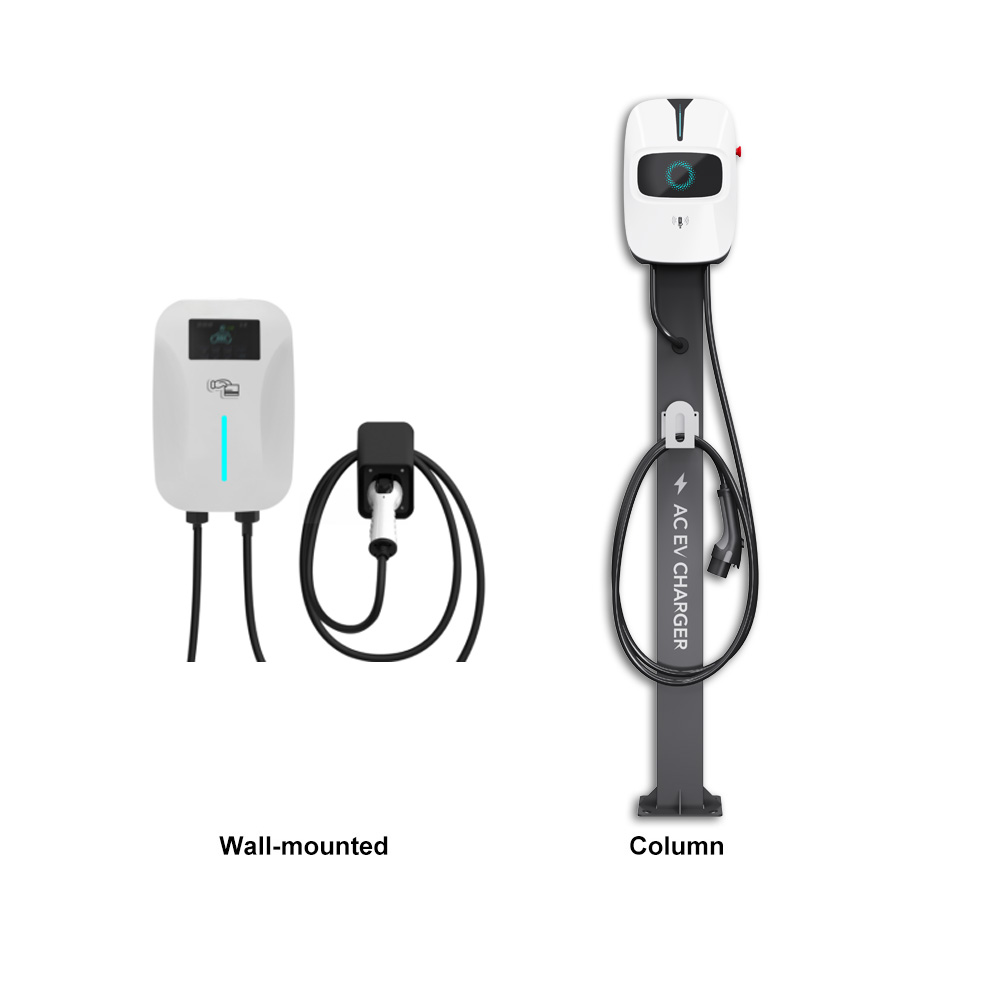
BEIHAI POWER offers a range of EV charging products for commercial, public, and other charging applications. Our product portfolio includes AC chargers, compact DC chargers, high-power DC fast chargers, and liquid-cooled charging solutions.
Whether you are a fleet operator, charging station developer, distributor, or engineering contractor, defining your project requirements is the first step toward choosing a suitable charging solution.
Frequently Asked Questions
What is the best DC EV charger for a commercial fleet?
The best charger depends on fleet size, daily energy demand, vehicle charging limits, and available charging time. Moderate-power chargers may suit overnight operations, while higher-power systems may benefit fleets requiring faster turnaround.
How do I calculate fleet charging requirements?
Multiply the number of vehicles by their average daily energy demand, then divide the result by the available charging window to estimate theoretical average power requirements. Allow for charging losses, peak demand, and site limitations.
Can fleet charging infrastructure be expanded later?
Yes. Planning for electrical capacity, installation space, cable routing, and charging management can make future expansion easier.
Planning a commercial fleet charging project?
Contact BEIHAI POWER at sales@beihaipower.com to discuss your project requirements.
Share your project location, fleet size, required charging power, and vehicle connector standards to help identify suitable DC EV charging solutions.
Post time: Oct-23-2026


