
The electric vehicle (EV) revolution is more than just sleek cars on the road; it’s powered by the robust, invisible architecture of the EV charging infrastructure. Behind every seamless charge, there is a complex assembly of precision engineering and meticulous manufacturing. Recently, we got an inside look at the production floor where the internal electrical modules for these essential charging piles are brought to life.
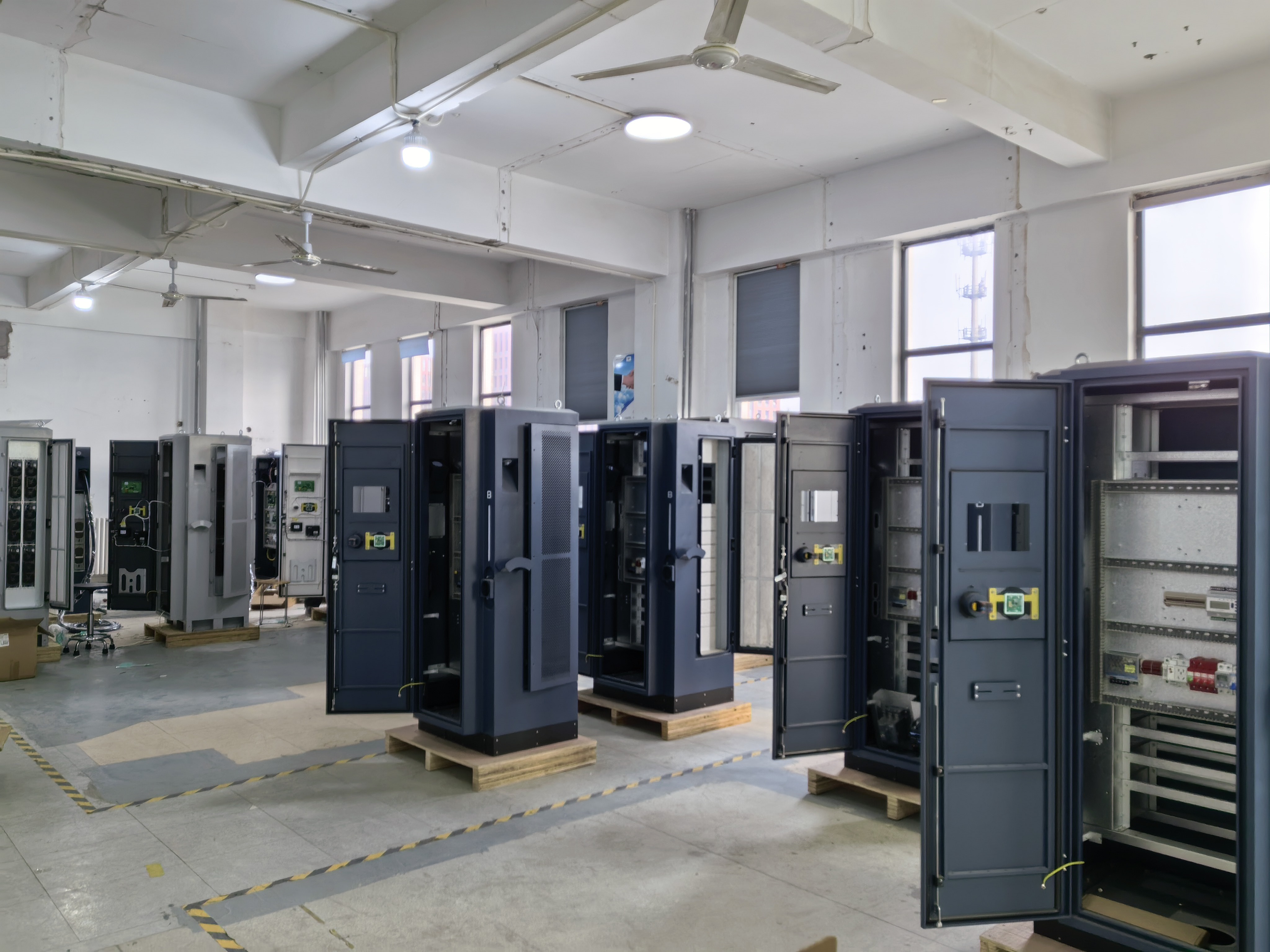
Precision Assembly: Where Reliability Begins
Walking into the manufacturing facility, the first thing that strikes you is the quiet hum of precision. Unlike the heavy-industrial feel often associated with power electronics, the assembly of electric vehicle charging station internals is a delicate, highly technical process.
The production line is meticulously organized. Skilled technicians work alongside automated machinery, demonstrating a perfect synergy between human oversight and robotic accuracy. The video captures the core components—the printed circuit boards (PCBs), communication controllers, and interface modules—being carefully assembled. These are not merely components; they are the “brains” of the charger, responsible for the sophisticated communication between the station and the EV, ensuring power delivery is not only fast but safe.
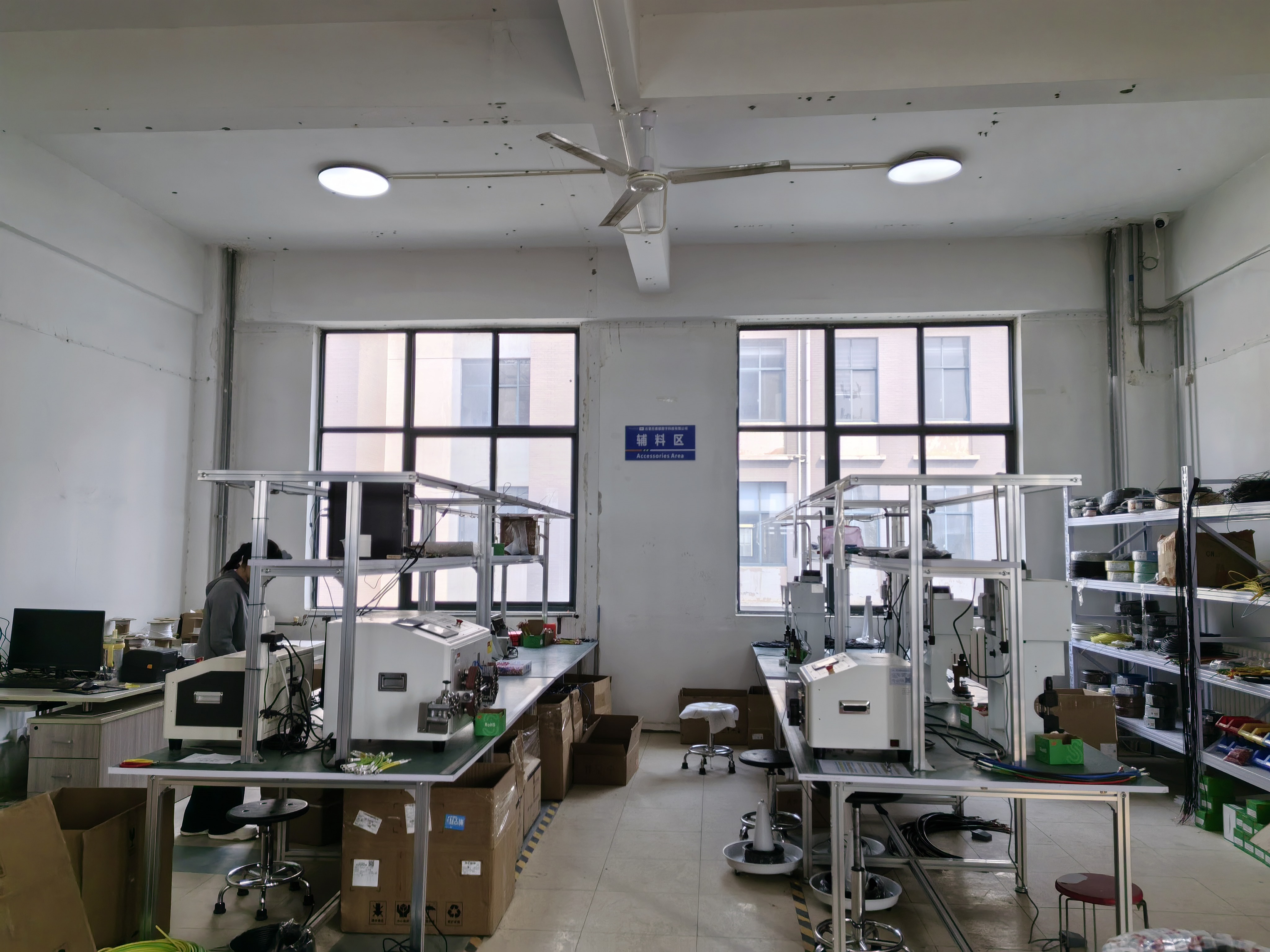
The Role of Automated Machinery
A significant portion of the floor is dedicated to high-precision equipment, including Super Mute Terminal Machines and fully automatic wire-cutting and stripping machines.
Quality in EV charging is non-negotiable. The integrity of every connection, from the smallest control wire to the main power cables, is critical to preventing faults and ensuring long-term reliability. These machines perform tasks that require sub-millimeter precision, such as:
- • Precise Cable Stripping: Ensuring that wire insulation is removed without damaging the underlying copper strands.
- • Terminal Crimping: Applying the exact pressure required to secure electrical terminals, preventing loose connections that could lead to overheating.
- • Consistent Quality Control: Automated processes eliminate human variability, ensuring that every batch of charging modules meets the same rigorous safety and performance standards.
Why Quality Manufacturing Matters to You
For EV owners and charging station operators, these manufacturing details might seem like background information, but they are the bedrock of the user experience. When you plug in your vehicle, the speed of the handshake, the stability of the connection, and the safety protocols that prevent thermal runaway are all dictated by the quality of these internal modules.
By investing in high-end, automated assembly, manufacturers are addressing the biggest challenges in the EV ecosystem: uptime and safety. A well-built charging station is one that stays operational, handles high voltage efficiently, and provides peace of mind to the driver.
Looking Ahead
As the global demand for charging infrastructure accelerates, the move toward higher levels of automation and standardized, high-quality production is essential. Facilities like the one showcased, which emphasize technical precision and stringent assembly processes, are setting the standard for the next generation of EV charging infrastructure.
Ultimately, the future of mobility is being wired, one connection at a time, in facilities just like this—ensuring that when you arrive at a charging station, power is ready and waiting.
Are you interested in learning more about the specific components that make up an EV charger, or perhaps the safety standards that these modules must meet? Let me know what you’d like to dive into next!
Post time: Jul-06-2026


