
1. Functional Requirements
During the charging process of electric vehicles, many electromechanical devices execute commands and generate mechanical actions. Therefore, the electronic lock of the charging gun for pure electric vehicles has two functional requirements.
First, it must comply with regulatory requirements. If the electronic lock of the charging gun is not locked, the electric vehicle must stop charging or not start charging. Without an electronic lock, it is difficult to avoid abnormal charging. Therefore, relevant companies need to comply with regulatory requirements when designing electronic locks. Otherwise, if the user makes an operational error during charging and pulls the plug out of the socket, a danger will occur.
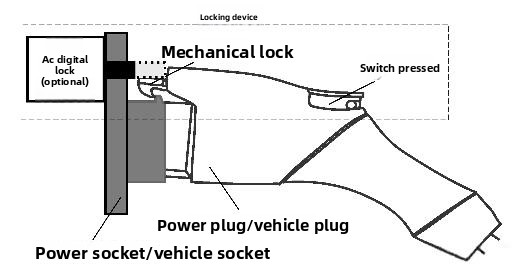
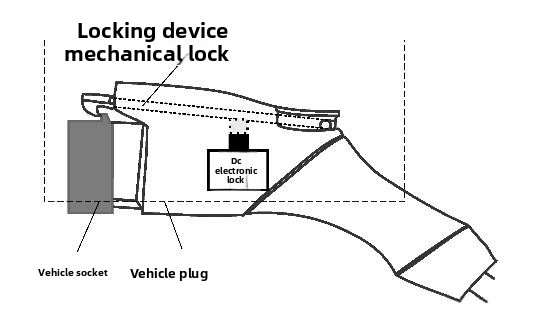
Second, it must meet user needs. The electronic lock for electric vehicle charging guns differs from electronic locks in the traditional industry. The performance of the charging gun electronic lock must be detectable, highly reliable, and highly applicable. The structure of the charging gun electronic lock should be small and able to be seamlessly connected to the charging socket for easy installation and maintenance. At the same time, according to the actual needs of users, the locking pin of the electronic lock may not extend or shorten when the charging gun electronic lock malfunctions. The internal insulating shell of the charging gun is not prone to plastic deformation, there is no poor contact caused by vibration, it is difficult to pull out directly after locking, and the connection between the charging cable and the vehicle cannot be disconnected. The insulating outer shell of the conductive posts inside traditional charging guns is susceptible to irregular plastic deformation under external forces. Previous mechanical locks only provided point locking at the end of the charging gun, making it prone to wobbling when the charging gun was inserted.
2. Circuit Design
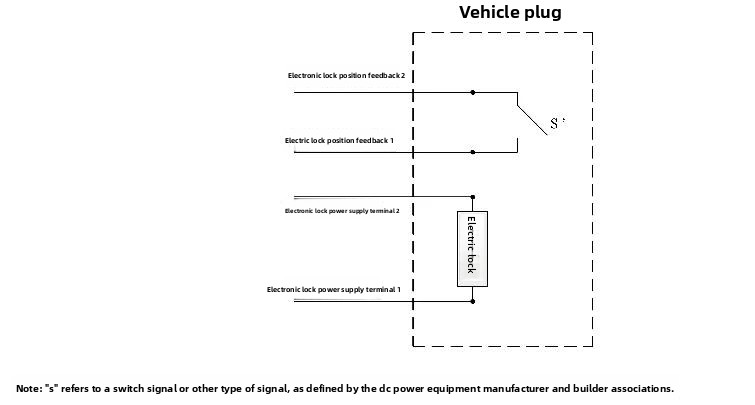
With increasing awareness of electrical safety, designers are adding electronic lock devices to electric vehicle charging guns to ensure charging safety. These electronic locks utilize low-current equipment, offering high security and controlling the connection and disconnection of positive and negative power supplies. The design of the charging gun’s electronic lock function involves four input conditions:
First, a connected vehicle charging cable is a necessary condition for locking the electronic lock. When the charging gun is inserted, the logic determines whether to immediately lock the electronic lock and send a signal to the user.
Second, the charging gun’s electronic lock needs to provide feedback to the charging system. This allows the charging system to determine whether relevant mechanisms have executed unlock or lock commands. If unlock or lock commands are sent without prior assessment, effective feedback cannot be obtained if the electronic lock fails to lock, and it cannot be determined whether the electronic lock was correctly locked. Without locking, even if the electronic lock is active, the user can still remove the charging gun.
Third, the vehicle’s unlock and lock status should consider the design goals of the charging logic. The charging system needs to correlate the overall vehicle lock/unlock status and send an overall vehicle lock/unlock signal to the charging system. Meanwhile, a control switch is located at the front of the charging gun, connected to the vehicle controller. This switch controls the charging lock; when the user leaves the vehicle, the electronic lock must be locked and the control switch activated. The remote control allows for remote operation and monitoring of the charging status. Whether it’s plug-and-charge or scheduled charging, the charging system must confirm the electronic lock is engaged before charging begins. The vehicle controller, as the system processing the most information, aggregates information from various components, summarizes the logic, makes judgments, and outputs corresponding actions.
Fourth, the manual unlocking or automatic locking of the electronic lock. Automatic locking is used to unlock the vehicle’s electronic lock, suitable for unlocking the vehicle after charging. However, when the vehicle is charging, to prevent accidental interruption, the user needs to manually unlock the charging gun’s electronic lock. The system must stop charging upon receiving the input signal. Therefore, the electronic lock’s action needs to be determined logically and the corresponding action output must be executed.
3. Logic Design
While optimizing the charging gun structure, designers also need to optimize the layout of the vehicle’s charging ports to improve the user experience. Based on the design goals, three logical decisions can be planned:
First, the locking logic. The system checks if the charging gun is properly connected to the charging port of the vehicle being charged. If the connection is normal, it controls the electronic lock to lock the charging gun and begin charging the vehicle.
If a user-triggered signal is detected during charging, the user signal can control the electronic lock to unlock the ev charging gun. If no user-triggered unlock signal is detected during charging,
after charging is complete, the system automatically unlocks the charging gun. That is, if the charging system cannot detect a valid connection when the user inserts the charging gun, the charging gun’s electronic lock will not automatically lock. This means that when the user locks the entire vehicle, the charging system simultaneously checks the charging gun’s connection status. If the charging gun is connected, locking the entire vehicle simultaneously activates the charging gun’s electronic lock.
However, these actions require logical judgment. Users need to check the charging gun’s locking status before starting charging in a pure electric vehicle, and charging operations can only be performed after the charging gun’s electronic lock is locked.
Second, the charging completion logic. When a vehicle is charging, its unlocked or locked status needs to be detected. If the entire vehicle is locked, the charging gun’s electronic lock will not unlock unless the user actively unlocks it. This helps prevent accidental cable disconnection and loss of the charging cable. When the vehicle is charging, if the system detects that the entire vehicle is unlocked, it means the user is nearby. Unlocking the electronic lock allows the user to remove the charging gun.
Third, the unlocking logic. Using a manual unlock switch or a remote unlock switch on the remote control, after receiving any of the above unlocking requests, if the charging system determines that the vehicle is not charging, it can directly drive the charging gun to unlock the electronic lock. Users can also issue an active unlocking request.
—THE END—
Post time: Dec-11-2025


