
As the demand for efficient and sustainable energy storage solutions continues to rise, ultra-cryogenic batteries are emerging as a groundbreaking technology on the horizon. These advanced batteries leverage the principles of cryogenics to enhance energy density, longevity, and performance, making them ideal for various industrial applications. In this article, we will delve into the technical features, use cases, and performance benefits of ultra-cryogenic battery, providing B2B buyers with the insights needed to make informed purchasing decisions.
What are Ultra-Cryogenic Batteries?
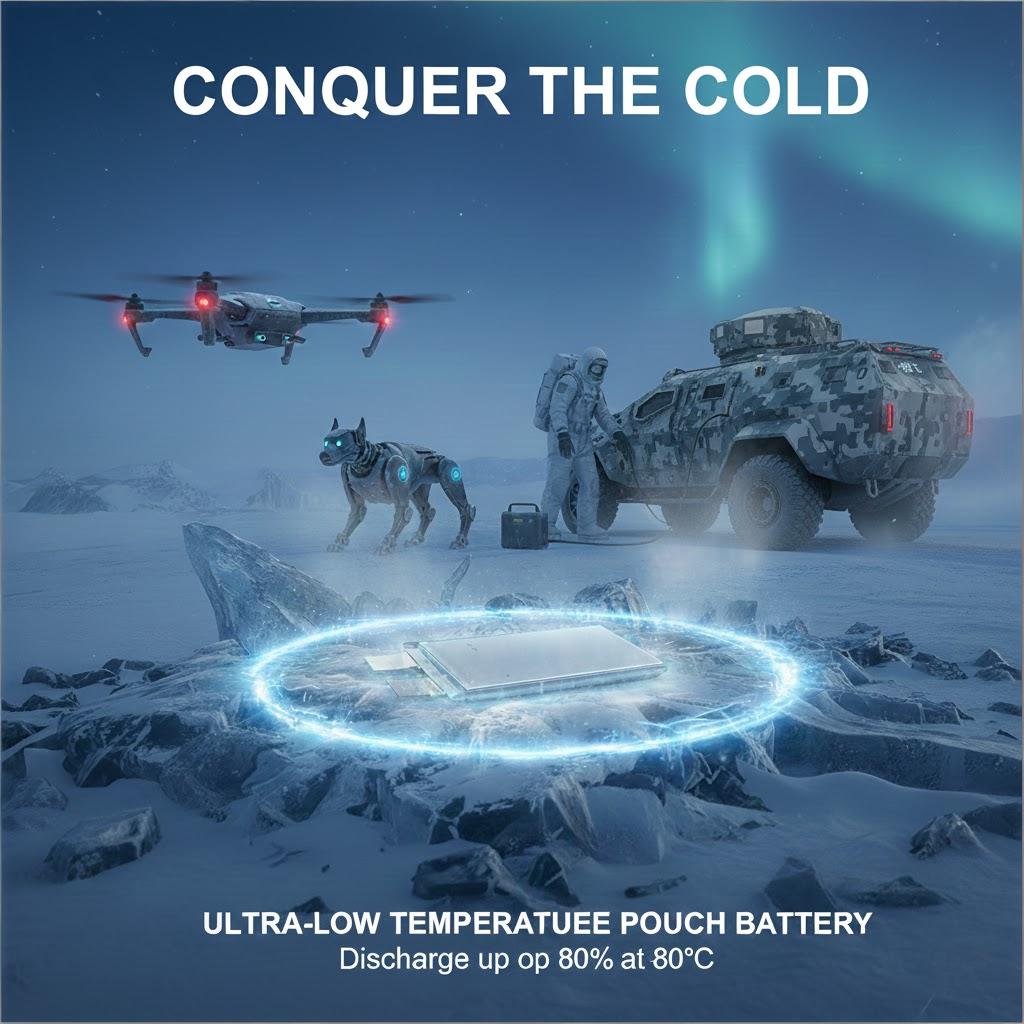
Ultra-cryogenic batteries operate at extremely low temperatures, typically below -150 degrees Celsius. By maintaining a cryogenic environment, these batteries can significantly reduce internal resistance and improve the electrochemical reactions that occur within the battery cells. This leads to a higher energy density compared to conventional battery technologies, allowing more energy to be stored in a smaller volume.
Technical Features of Ultra-Cryogenic Batteries
Ultra-cryogenic batteries incorporate several key technical features:
- High Energy Density: The cryogenic temperatures facilitate increased ionic conductivity and faster electron transfer, resulting in higher energy density, which can be crucial for applications requiring compact energy storage.
- Extended Cycle Life: Operating at low temperatures reduces the degradation of battery materials, leading to a longer cycle life and less frequent replacements.
- Improved Safety Profiles: The cryogenic environment mitigates risks associated with thermal runaway, a common issue in traditional lithium-ion batteries.
- Flexible Design Options: Ultra-cryogenic batteries can be designed in various configurations to meet specific application needs, from large-scale industrial use to specialized portable devices.
Applications of Ultra-Cryogenic Batteries
Ultra-cryogenic batteries are suitable for a variety of applications across different industries:
1. Renewable Energy Storage
With the increasing integration of renewable energy sources such as solar and wind into the grid, ultra-cryogenic batteries offer a promising solution for energy storage. Their high energy density allows for efficient storage of excess energy generated during peak production times, which can be released when demand rises.
2. Electric Vehicles (EVs)
As the EV market expands, the need for efficient and long-lasting battery solutions becomes critical. Ultra-cryogenic batteries can provide longer ranges and faster charging times, addressing common concerns of range anxiety among consumers.
3. Aerospace and Defense
In the aerospace sector, ultra-cryogenic batteries can power satellites and space vehicles, where weight and space are at a premium. Their reliability and safety make them suitable for defense applications as well, where mission success is paramount.
4. Industrial Applications
Industries that require high power output in short bursts, such as mining and manufacturing, can benefit from the performance characteristics of ultra-cryogenic batteries. Their ability to handle rapid discharge and recharge cycles makes them ideal for these environments.
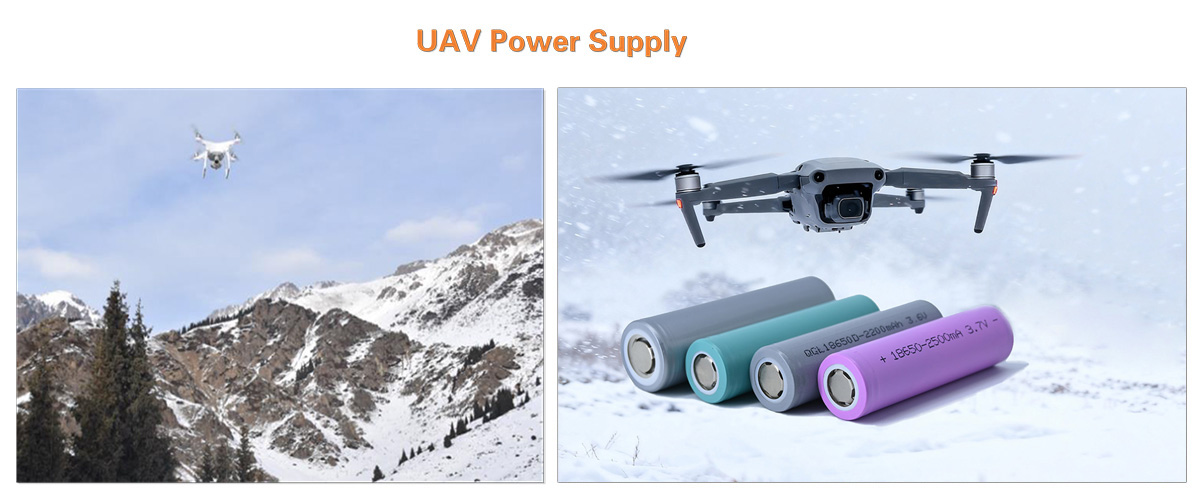
5. Industrial/Specialized Unmanned Aerial Vehicles (UAVs)
Cross-altitude monitoring, winter defense patrols in northern regions, and high-altitude reconnaissance.
Performance Benefits
The performance benefits of ultra-cryogenic batteries over traditional battery technologies are significant:
- Lower Operating Costs: With an extended cycle life, companies can reduce the frequency of battery replacements, leading to lower overall operating costs.
- Enhanced Efficiency: The reduced internal resistance translates to higher efficiency during charging and discharging processes, allowing for more effective energy utilization.
- Environmental Impact: By promoting the use of renewable energy and minimizing waste through longer battery life, ultra-cryogenic batteries contribute to more sustainable energy practices.
Materials and Production Processes
Ultra-cryogenic batteries utilize advanced materials designed to perform optimally at low temperatures. Common materials include:
- Superconducting Materials: These materials can conduct electricity without resistance at cryogenic temperatures, enhancing battery performance.
- Advanced Electrolytes: Specialized electrolytes are formulated to remain stable and effective at ultra-low temperatures, ensuring optimal ion mobility.
- Lightweight Composites: To maintain their competitive edge in applications such as aerospace, ultra-cryogenic batteries often utilize lightweight composite materials that provide structural integrity without adding excessive weight.
The production processes for ultra-cryogenic batteries involve precise temperature control and material handling to ensure that the components maintain their properties throughout manufacturing. Advanced manufacturing techniques such as additive manufacturing and precision machining are often employed to achieve the desired performance specifications.
Market Trends and Future Outlook
The market for ultra-cryogenic batteries is poised for significant growth as industries seek more efficient and sustainable energy storage solutions. Factors driving this trend include:
- Innovation in Battery Technology: Continued research and development in cryogenic materials and battery chemistry are expected to enhance the performance and reduce costs of ultra-cryogenic batteries.
- Government Incentives: Increasing government support for renewable energy initiatives is likely to create a favorable environment for the adoption of advanced battery technologies.
- Global Energy Transition: As companies and countries commit to reducing carbon emissions, the demand for efficient energy storage solutions like ultra-cryogenic batteries will rise.
Conclusion
Ultra-cryogenic batteries represent a promising advancement in energy storage technology, offering high energy density, extended cycle life, and enhanced safety features. With applications spanning renewable energy, electric vehicles, aerospace, and industrial sectors, these batteries are set to play a crucial role in the future of energy solutions. For international B2B buyers, investing in ultra-cryogenic battery technology can provide a competitive edge through improved efficiency, reduced costs, and greater sustainability. As the market continues to evolve, staying informed about the latest developments in this field will be essential for making strategic purchasing decisions.
Post time: Jan-21-2026


