

Ev Cost To Charge: Insights for China Manufacturers on Pricing Strategies
As someone deeply invested in the electric vehicle market, I understand the importance of knowing the **ev cost to charge**. This knowledge is crucial for manufacturers in China aiming to stay competitive and efficient. When evaluating charging costs, it affects not only pricing strategies but also consumer satisfaction and overall market attractiveness. I’ve found that the average cost to charge an EV can vary significantly based on location, energy prices, and vehicle efficiency. Understanding these factors can help manufacturers streamline their operations and make more informed decisions. When choosing a supplier or partner, look for those who are transparent about these costs. Having a clear picture of how charging impacts your bottom line can ultimately lead to better pricing options for your customers. Collaborating with a forward-thinking manufacturer in China can give you the tools you need to navigate this dynamic landscape successfully. Let’s elevate your business with precise insights into EV charging economics.


Ev Cost To Charge Pioneers in the Field Custom Solutions,
As the demand for electric vehicles (EVs) accelerates worldwide, the need for efficient and innovative charging solutions becomes paramount. One area that shows great promise is the integration of custom solutions for EV charging infrastructure, catering to diverse market needs. Companies leading the charge in this field are not only responding to the growing number of EVs on the roads but also innovating ways to make charging more effective and user-friendly. Customized charging solutions can include tailored charging stations designed to meet specific location requirements, advanced energy management systems, and even infrastructure that supports renewable energy sources. This level of customization ensures that businesses and municipalities can effectively meet their charging needs while promoting sustainability. For global buyers, partnering with innovative providers in the EV charging space represents a unique opportunity to invest in cutting-edge technology that enhances operational efficiency and strengthens their commitment to green energy. The potential for growth in EV charging infrastructure opens various avenues for collaboration across industries. As global suppliers seek to fulfill the increasing demand for electric vehicles, they must also consider the evolving landscape of energy consumption and the technological advancements that will drive the future of transportation. Staying ahead in this dynamic market means embracing innovation and customization, ultimately leading to robust solutions that support the electric revolution.
Ev Cost To Charge Pioneers in the Field Custom Solutions
| Charging Solution | Location | Cost per kWh (USD) | Charging Speed (kW) | Available Connectors |
|---|---|---|---|---|
| Level 2 Charging Station | Downtown Area | $0.15 | 7.2 | Type 1, Type 2 |
| Fast Charger | Suburban Mall | $0.25 | 50 | CHAdeMO, CCS |
| Supercharger | Highway Rest Stop | $0.30 | 120 | Tesla Connector |
| Home Charging Kit | Residential | $0.12 | 3.7 | Type 2 |
Related Products
Factory Wholesale Type1 Type2 GBT Wall-Mounted Charger 11KW AC EV Charger Level 1 Smart Electric Car Charging Station
Read More

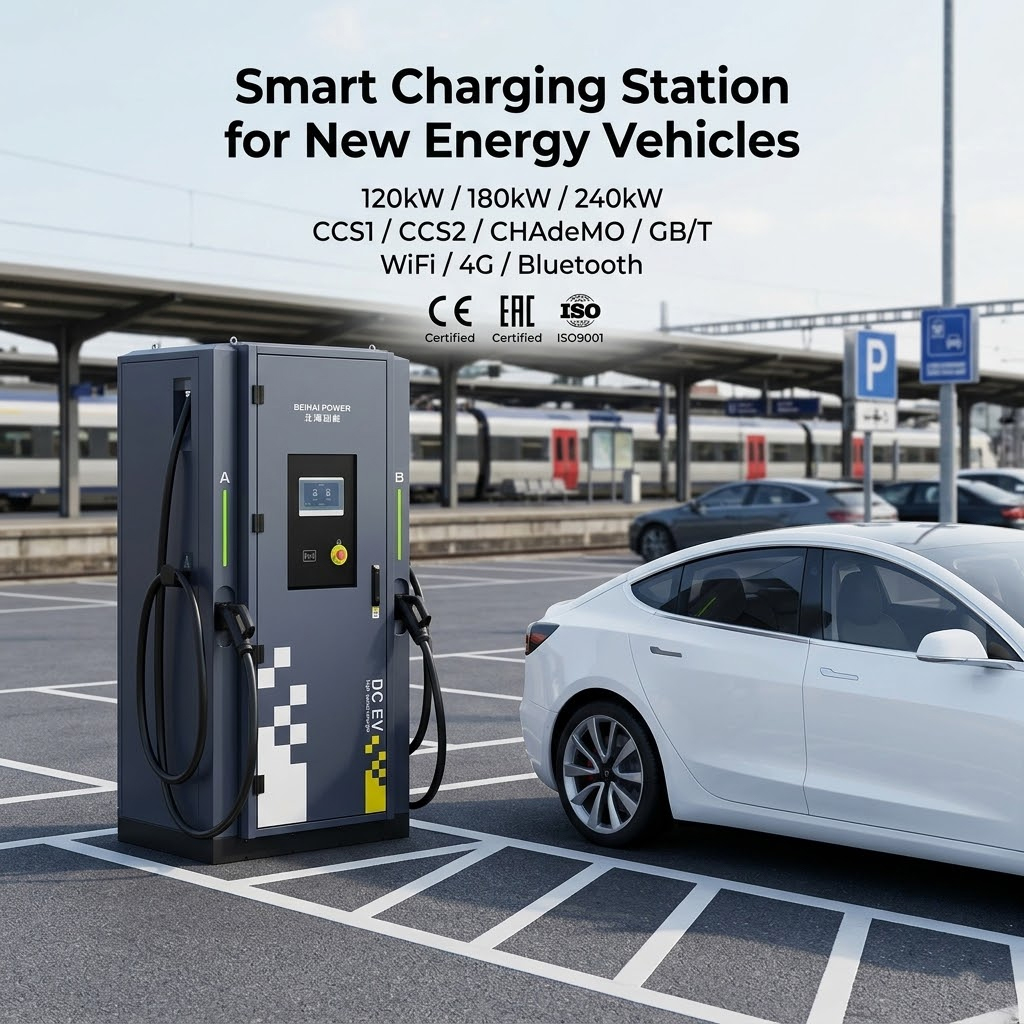


Ev Cost To Charge Ahead of the Curve Manufacturers You Can Rely On
Top Selling Products


- Related Blog
- Reviews

-

Phone
-

E-mail
-

Whatsapp
-

Top