
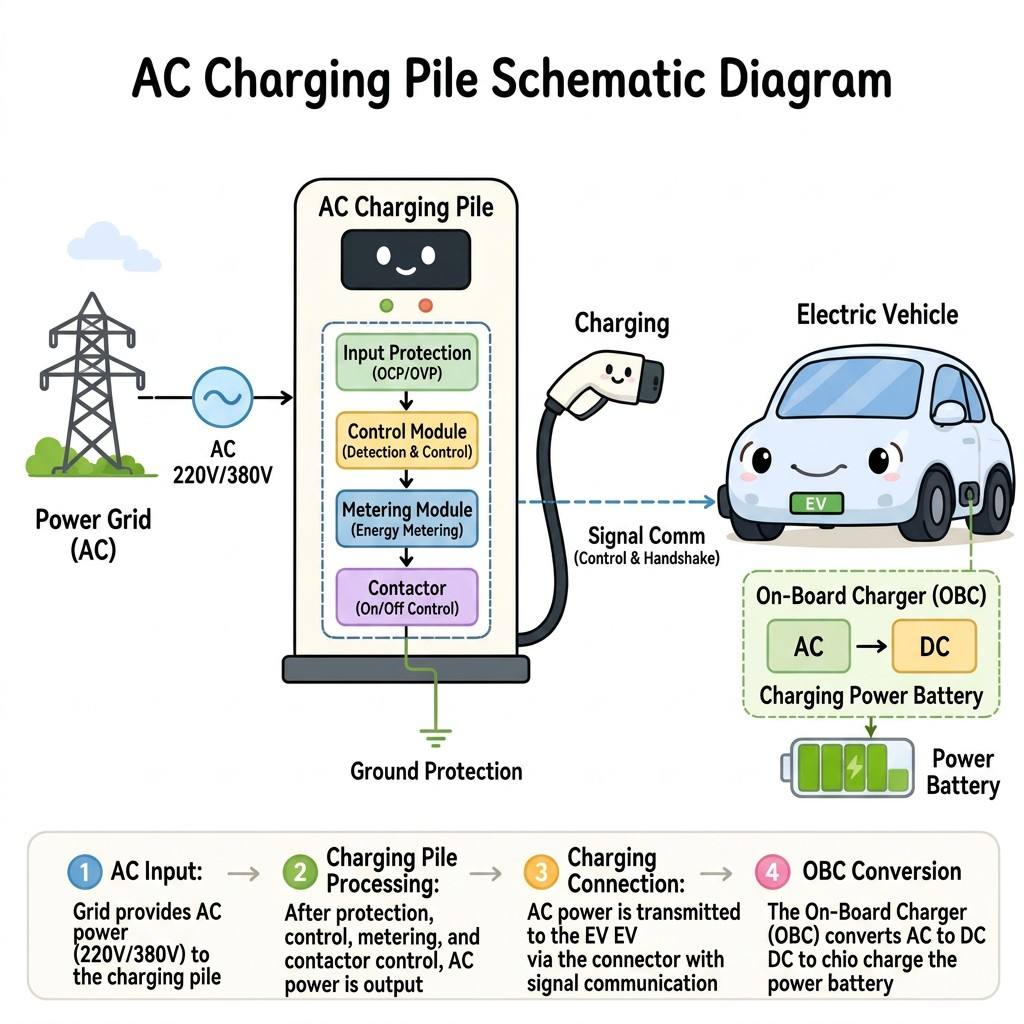
A charging pile is an energy conversion terminal between the power grid and electric vehicles.
It takes electrical energy from the grid and safely delivers it to the vehicle’s power battery via power modules, rectification/conversion systems, and control systems. Before charging begins, the vehicle and the EV charging station perform a communication handshake to verify voltage, current, status, and safety conditions.
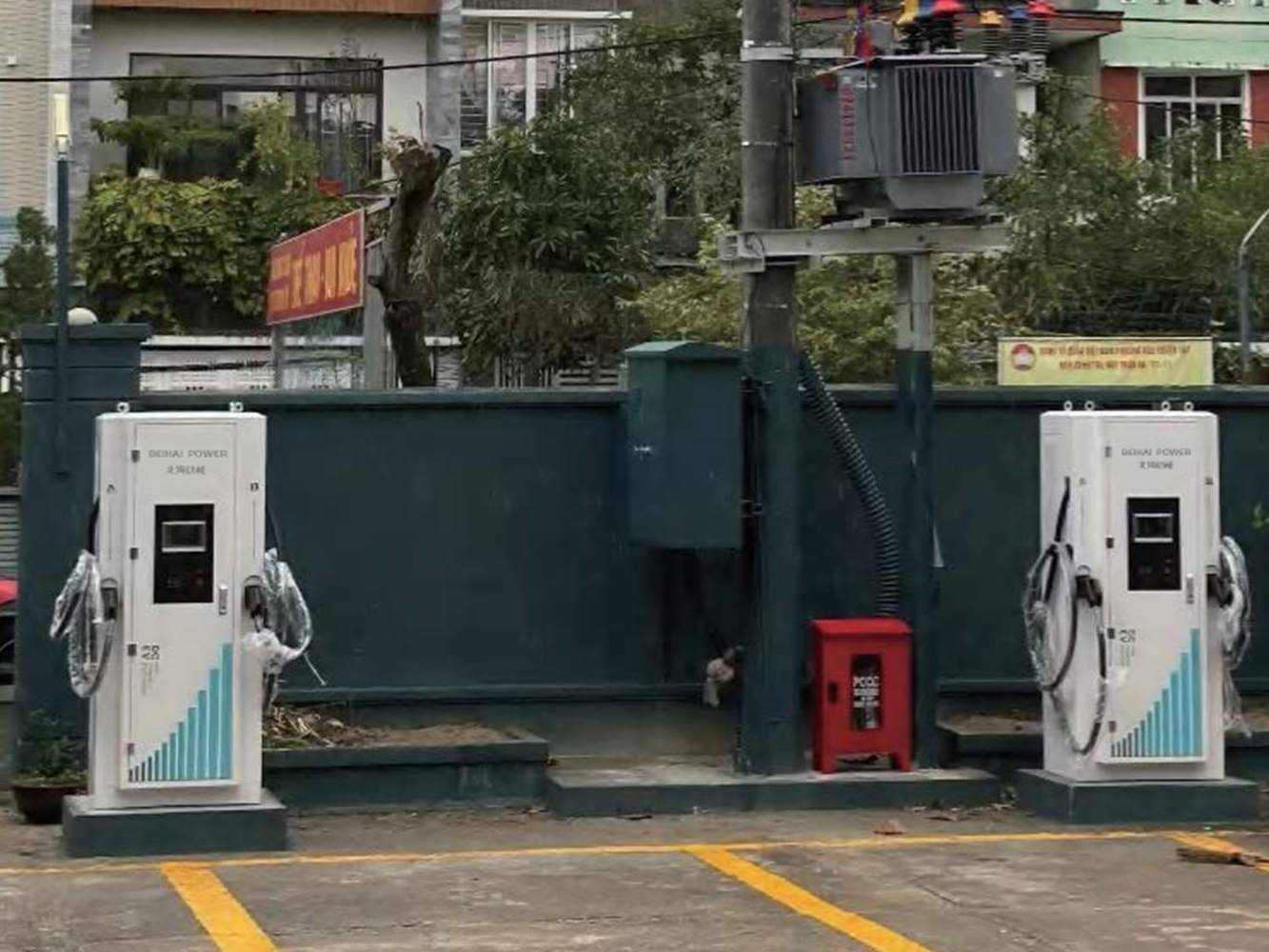
A DC fast-charging station typically comprises power modules, a controller, metering components, communication systems, charging cables and charging connectors, insulation monitoring, thermal management, and an operations and maintenance platform. Higher power ratings impose stricter requirements on cabling, heat dissipation, safety measures, and grid capacity.
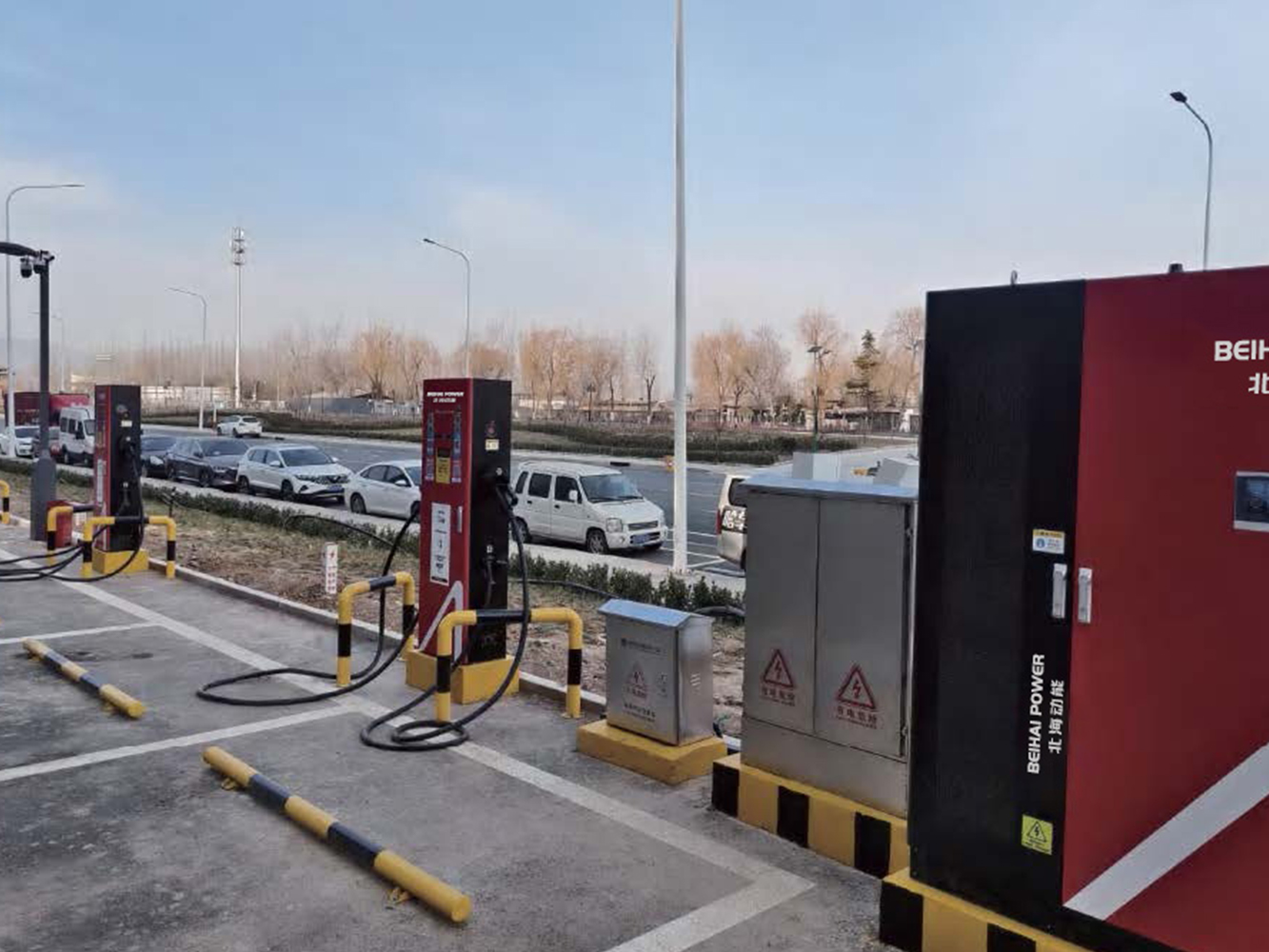
The fast-charging experience depends not only on the station’s power output but also on the vehicle’s battery, Battery Management System (BMS), temperature, charging strategy, and queue conditions at the site.
Commercialization faces bottlenecks regarding utilization rates and operational management. Factors such as construction costs, site selection, grid capacity upgrades, maintenance, payment processing, peak/off-peak electricity pricing, and equipment failure rates all influence the payback period.
Therefore, a charging station is not merely an isolated piece of equipment but part of a broader energy-replenishment network.
Would you like to continue by breaking down the components of a supercharging station, or by exploring vehicle-to-charger communication?
Post time: Jul-24-2026


