
The global shift towards electric vehicles (EVs) is not just a trend; it is a necessary evolution for sustainable transportation. As the demand for electric vehicles grows, so does the need for efficient and reliable electric vehicle charging solutions. This article delves into the various aspects of EV charging solutions, focusing on their technical specifications, application scenarios, performance benefits, and emerging trends in the market.
Understanding Electric Vehicle Charging Solutions
Electric vehicle charging solutions encompass a wide range of technologies and infrastructure designed to recharge the batteries of electric vehicles. These solutions are classified into different categories based on their charging speeds and capabilities, including Level 1, Level 2, and DC Fast Charging stations.
Types of Electric Vehicle Charging Stations
Level 1 Charging
Level 1 charging solutions utilize a standard 120-volt outlet, making them the most accessible and straightforward option for home charging. Typically, this method can add about 4-5 miles of range per hour of charging, making it suitable for those who have overnight access to charging facilities. Level 1 chargers often come with a portable charging cable, allowing users to plug in their vehicles anywhere there is an outlet.
Level 2 Charging
Level 2 charging stations operate on a 240-volt supply and can significantly reduce charging time compared to Level 1. These chargers can provide approximately 25 miles of range per hour, making them ideal for commercial applications, public charging stations, and residential settings where users require faster turnaround times. Level 2 ev chargers often feature smart technology, allowing for scheduling and remote monitoring capabilities.
DC Fast Charging(Level 3)
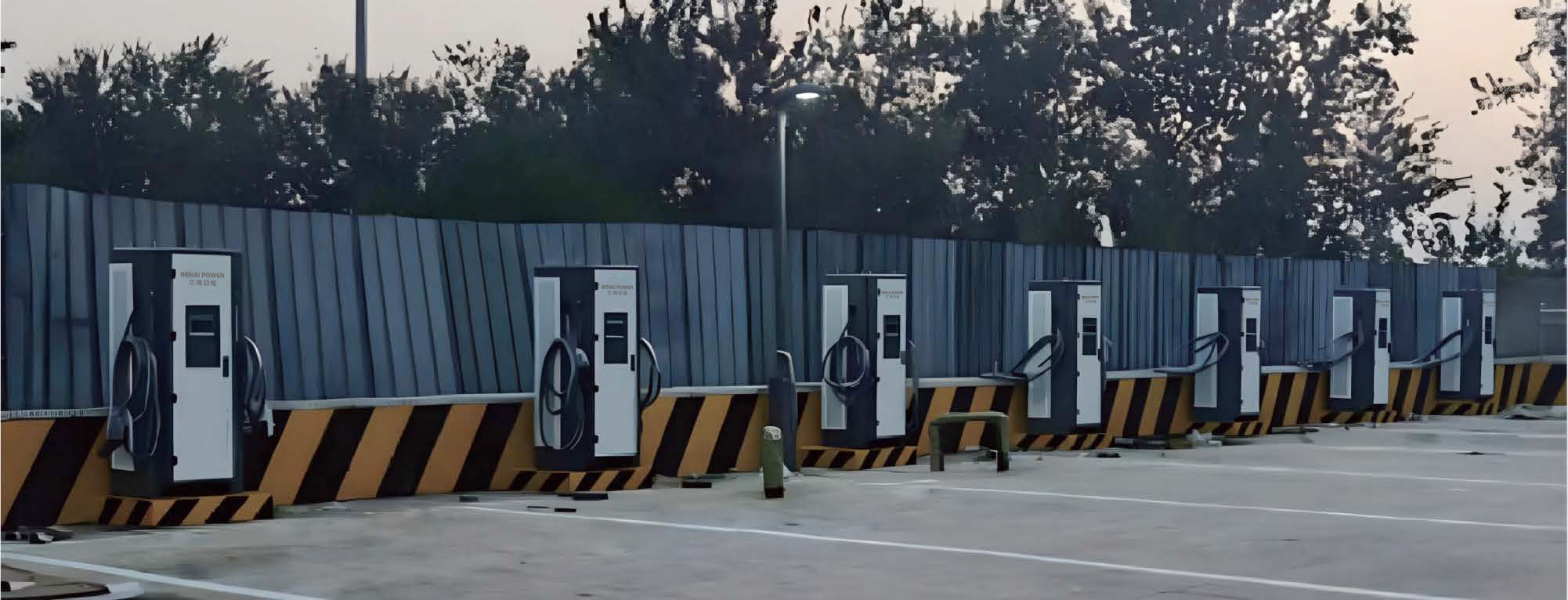
DC Fast Charging stations are designed for rapid charging, providing up to 80% battery capacity in as little as 30 minutes. These high-powered chargers are essential for long-distance travel, strategically located along highways and major roadways to facilitate quick stops for EV drivers. They utilize a direct current supply to deliver high levels of power, which requires specialized infrastructure and installation.
Technical Features and Performance Benefits
Investing in electric vehicle charging solutions involves understanding the technical features that enhance performance, safety, and user experience. Some of the critical features to consider include:
- Smart Charging Technology: Many modern charging stations are equipped with smart technology that allows for grid integration, demand response, and energy management. This feature optimizes charging times based on demand and energy costs, providing cost savings for users.
- User Authentication: To ensure secure access, many charging solutions incorporate user authentication systems, such as RFID cards or mobile apps, which allow users to manage their charging sessions effectively.
- Multi-Connector Compatibility: Electric vehicle charging solutions increasingly support multiple connector types, accommodating various EV models and promoting broader adoption.
- Durability and Weather Resistance: Many charging stations are designed with rugged materials to withstand various environmental conditions, ensuring longevity and reliable performance.
Applications of Electric Vehicle Charging Solutions
Electric vehicle charging solutions have diverse applications across various sectors. Here are some notable examples:
Residential Charging Solutions
Homeowners with electric vehicles often install Level 2 charging stations in their garages or driveways. This setup provides the convenience of charging overnight, ensuring that the vehicle is ready for daily use while reducing dependency on public infrastructure.
Commercial Applications
Businesses, particularly those with fleet operations, benefit from installing multiple charging stations to facilitate efficient vehicle turnaround. Commercial ev charging station can enhance employee satisfaction and attract environmentally conscious customers.
Public Charging Infrastructure
As the EV market expands, cities and municipalities are investing in public charging infrastructure to support electric vehicle adoption. These charging stations are often placed in high-traffic areas, such as shopping centers, parking lots, and airports, providing essential access for the general public.
Emerging Trends in Electric Vehicle Charging Solutions
The electric vehicle charging solutions market is continuously evolving, driven by technological advancements and changing consumer preferences. Key trends shaping the future include:
Integration with Renewable Energy Sources
As sustainability becomes a primary focus, integrating electric vehicle charging stations with renewable energy sources, such as solar and wind power, is gaining traction. This approach enhances the environmental benefits of EVs and reduces the carbon footprint associated with charging.
Wireless Charging Technologies
Emerging wireless charging technologies are making EV charging more convenient. By eliminating the need for cables, these systems allow vehicles to charge simply by parking over a charging pad, streamlining the user experience.
Vehicle-to-Grid (V2G) Technology
Vehicle-to-Grid technology enables electric vehicles to not only draw power from the grid but also return excess energy stored in their batteries back to the grid. This capability can help stabilize grid demand during peak hours and provide additional revenue streams for EV owners.
Conclusion
Electric vehicle charging solutions are a critical component of the transition to sustainable transportation. With various types of charging stations available, businesses and individuals can choose solutions that best meet their needs. As technology continues to advance, the integration of smart features, renewable energy, and innovative charging methods will further enhance the efficiency and accessibility of EV charging. For international B2B buyers, investing in reliable and advanced electric vehicle charging solutions not only supports environmental goals but also positions them as leaders in the evolving automotive landscape.
Post time: Jan-19-2026


