
The **OCPP** standard protocol acts as the “universal language” of the EV charging world; it facilitates communication between electric vehicle charging stations and backend management systems, enabling seamless interoperability across different manufacturers. It allows for real-time monitoring of station status and remote start/stop control, while effortlessly handling tasks such as payment data transmission and energy consumption logging.
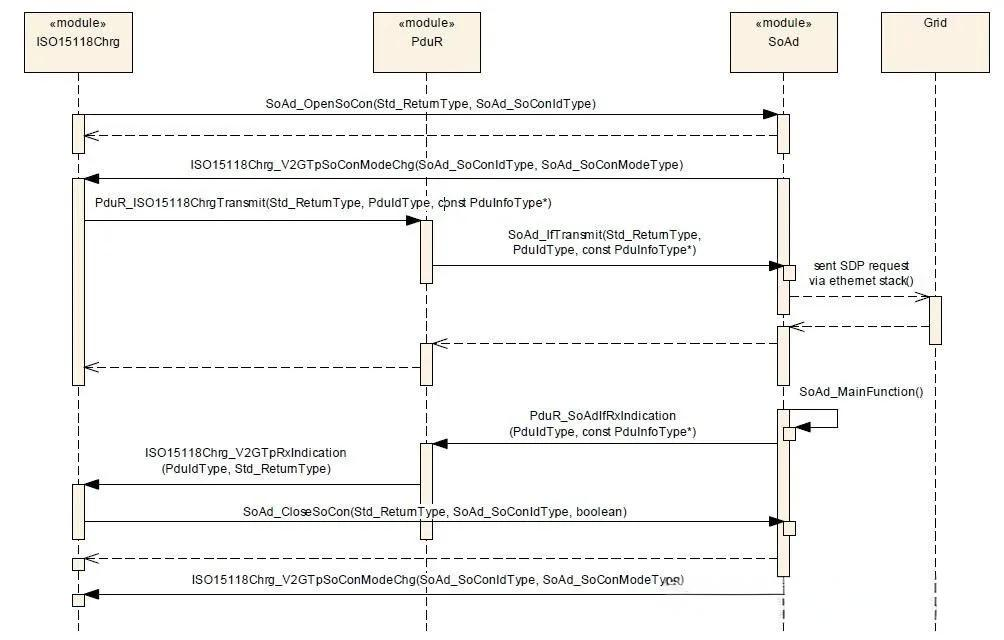
The **Modbus** protocol focuses on internal device operations, primarily handling power management, monitoring, and data acquisition. It excels at the real-time monitoring of electrical parameters—such as voltage, current, and power—making it ideal for localized, short-range communication between devices without involving external networks.
The **MQTT** protocol is particularly well-suited for the transmission of frequently updated, real-time data. Information such as charging status, energy levels, and fault alerts can be exchanged between charging station network devices with low latency and high frequency, ensuring you stay constantly informed about the status of your EV charging stations.
The **HTTP/HTTPS** protocols serve as the data interface for communication between electric car charging stations and backend systems. Operations such as payment gateway interactions, device management, user data transmission, and status updates all rely on these protocols to ensure the stability and security of data transmission.
The **WebSocket** protocol specializes in real-time, bidirectional communication, excelling at low-latency, high-frequency data transfer. For scenarios involving charging status updates, order status changes, and device fault notifications, it is a more suitable choice than HTTP; it minimizes latency and bandwidth waste, delivering a superior user experience.
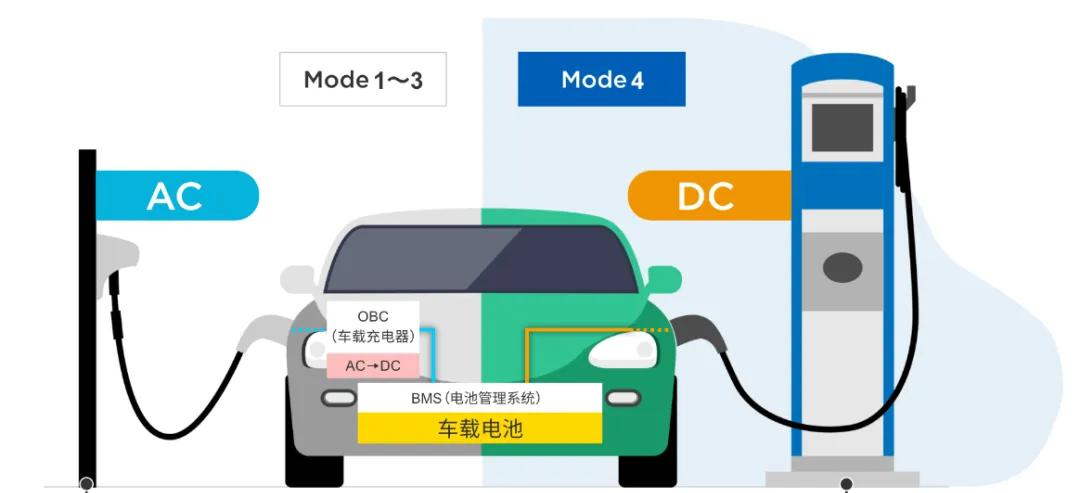
The **CAN** protocol plays a pivotal role in the interaction between electric vehicles and charging stations, facilitating the transmission of control and status data. During charging, the station communicates with the EV’s Battery Management System (BMS) to ensure safety. As a highly efficient and reliable communication protocol within the automotive industry, it accurately transmits critical data such as battery charge levels, voltage, and current.
Most of these protocols fall under the category of “cloud protocols,” facilitating communication between devices and cloud platforms to collectively safeguard our EV charging experience. Do you feel a bit more knowledgeable about EV charging pile protocols now? Feel free to leave a comment in the section below!
Post time: Apr-23-2026


